Showing posts with label tween programming. Show all posts

Avengers Teen Movie Night


Marvel Movies have universally taken over pop culture. So when it comes to programming for tweens and teens, Marvel has become a fandom favorite. 

Recently, we did an Avengers: Infinity War interactive movie program for teens that attracted tweens, teens, and some adults. We ended up with triple the number of participants then we normally have, and all it took was a Marvel hook and some self-guided library activities. 

We popped some popcorn, provided some cookies, and set out a few fun activities. 

The main activities was trivia. My library is lucky enough to have several large projectors. While the movie was playing, I also have trivia going. Below is the trivia slides I used! Feel free to use them.


If teens did not want to play trivia to win an advanced reading copy of YA titles, we had other  activities that included : 


  • Reading a large display of library comics 
  • Making Wakanda bracelets with large wood beads and silver permeate markers we purchased from Amazon. (A Night Owl Blog has a wonderful tutorial on how to do this) 
  • Voting station to share various theories they had about the new movie Avengers: End Game. 

This program was low cost, fun, and an easy fandom program that libraries could easily plug into for an all age programming that showcases library materials. 

Have you done a Marvel program? 

Until next week, 

Pamela


How to Create a Successful Tween Book Club

Book clubs are an excellent tween and teen program, but they are often difficult to get started and maintain. I am over at the ALSC blog today discussing six ways you can make your book club successful. 


I'll be back on my blog next week sharing more programming ideas and fun reader advisory tools. 
One thing I am super excited to share with you soon is a Harry Potter reading list for teens. So be on the lookout the next few weeks for that. 

Hope you are having a great week!

-Pamela


Star Wars Jedi Training


Star Wars Jedi Training 

Displaying IMG_3349.JPG

This past year has gone by so quickly. I am happy to finally start a new year, but the last tween program of the year helped to end the year on a happy note. For this program, my library put on a Star Wars holiday program for tweens. It was a huge success! 

Preparation
As the month of December approached, my coworkers and I collaborated on some tween programming we could offer during the holidays. When we offer tween programming as a library, we always try to ask our participants what type of programming they would like to see in the future. Over the summer, the answer we got was unanimous- Star Wars.  

Our vision for the program was simple. We wanted a place for tweens to go to celebrate their love of Star Wars and to meet other people with the same interests. We also wanted to show off our collection and encourage our Star Wars enthusiasts to check out Star Wars books and nonfiction literature on space.

Originally, we planned our program to be a glow themed dance that would give tweens an outlet for somewhere to go over their holiday break.

While brainstorming ideas, we discovered that our coworker’s husband taught Jedi Martial Arts and he was willing to come in for free to do a free Jedi training for the kids. This would include showing the kids how to use lightsabers along with some simple health tips such as managing your anger. This simple outreach contact changed the entire structure of our program.

The Program
Before the program began, we first gathered supplies. The only thing we needed for this program were glow sticks and balloons from the Dollar Tree and some cookies. Thankfully, our library already had a set of lightsabers made out of dollar pool noodles that we were able to use for this program. Since our outreach guest volunteered to this program for free, the cost of this program was less than $10.  

On the day of the program we spent about an hour setting up. We placed Christmas lights around the room, spread out glow sticks around the room, blew up balloons, hung up donated Star Wars posters, and set out food.

After that, we gave our Jedi Martial Arts guest full control. He opened the program by discussing that it is important to manage your stress and anger with exercise. The kids did some jumping jacks, planks, and went over some basic breathing exercises.

Displaying 20161209_191130.jpg

Next, he then went through some simple movement that the tweens used to spar with the light sabers with. They gracefully moved up and down our auditorium for an hour.

Displaying 20161209_193130.jpg

After the participants completed Jedi training, they were invited to dance to music from the Star Wars soundtrack and complete trivia for a prize. It was a program that even Yoda would approve of, but it was only made possible with collaboration and outreach.

If you don't have access to someone that could do a free program from a Jedi Martial Arts Academy, have no fear. This could easily be substituted with a bubble machine and some pool noodle lightsabers. Tweens will be excited to meet other people that share their interest and will be excited to do activities that

For even more information on this program, please check out my ALSC blog post on things that I learned from this program.

Until Next time,

Pamela

Game Day!

This year and into this summer, my department started to do monthly board game nights for tweens and their families. My library and manager are fantastic and I knew there was a reason for it, but I didn't understand the why (other then it fit our summer reading theme).  

My biggest question was: Why would a family come to the library to play board games when they could do it at home? 

As I navigate my Master's program, I often feel like a young padawan learning the ways of the library.  I have the best manager & she is super sneaky. 

She had me go in on one of the board game nights & play games with the participants. 


This helped me to see first hand the need for programing like this one. 

I was surprised by what I saw.  Sure there were people that stumbled upon the game day and came in, but there were others that were serious game addicts that came too. 
It attracted people of all ages and levels, and we had no trouble attracting people to come into the library to play. 

After I got done interacting with these various families, it made me realize that tweens and families in our community need board games and play activities.
By doing a program such as this one, it offers them a chance to come together to play. 
Many families might not get this opportunity at home or at school. 

Briefly here are a few studies that highlight the importance of board game play : 

1. In a recent study,  researchers found that playing board games twice a week increased the brain speed scores of elementary students by a staggering 27 - 32%! 


4. It can help build social and emotional skills. - This is typically recommended for children under 5, but board games can continue to develop these skills way beyond this age! Check out this other article from the Wall Street Journal .

These are all relative points, but I think perhaps the biggest reason to offer one is to encourage these skills. It is also a opportunity to offer an intergenerational program.

Plus, it is a low cost program where you can use games that your library already has. Budget win! 

To do this, my library offers one game night once a month. Ours falls on a Monday night. 

At these board game nights, we wheel out a bunch of games and we play with tweens and families. This is a wonderful way to encourage the skills listed above as well as an opportunity to get to know the tweens at your library. 

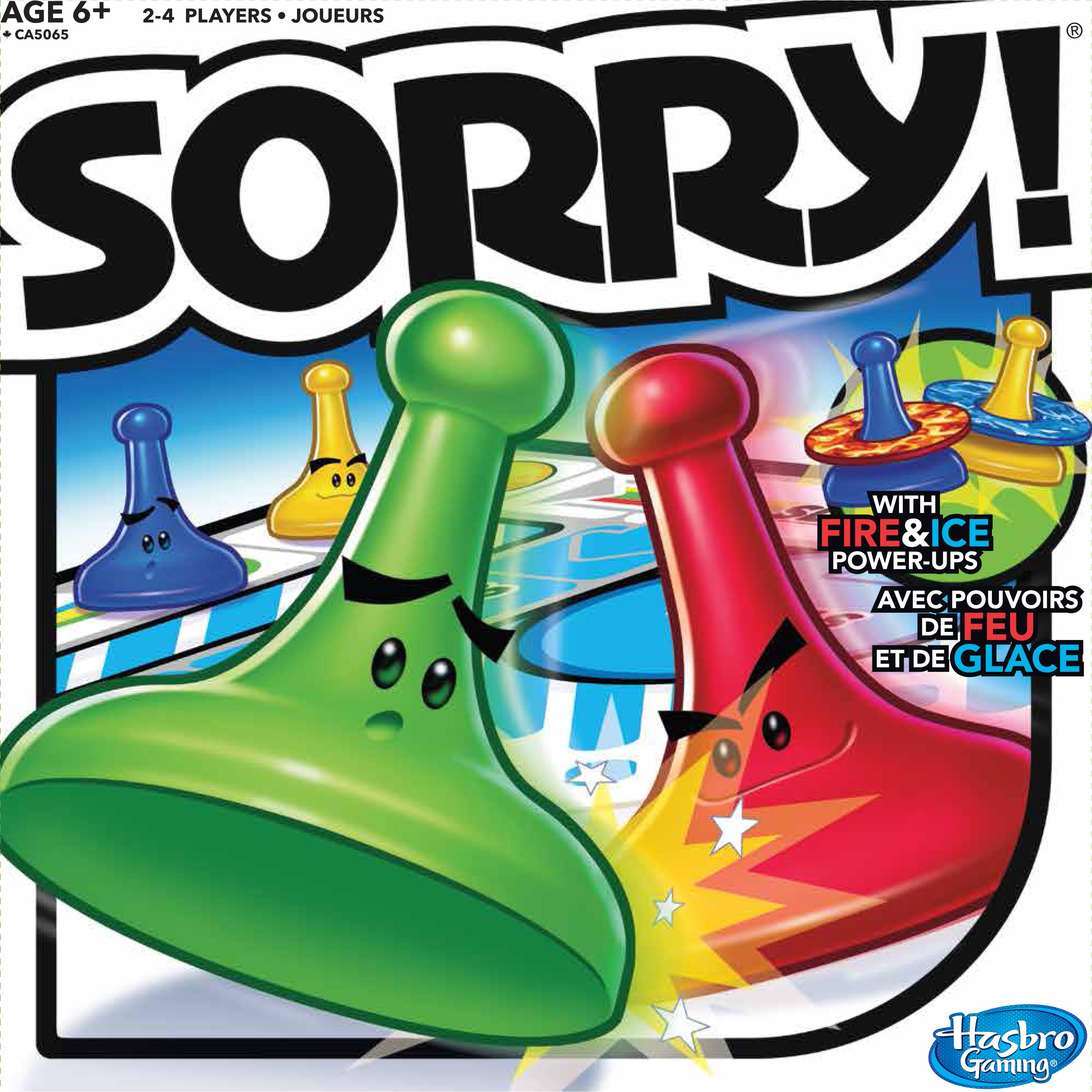
Here are some of the games that I have played at these Game Night programs: 


On my first game night, I was really nervous. I only played a few board games growing up, and I wasn't sure how to play the ones that my library had offered.   

This worry quickly faded when I saw  the community that was formed within the program. Older adults taught younger patrons how to play. I had the most fun working with a group of tweens to try and figure out how to play Exploding Kittens

I quickly realized that the purpose of this program was to have fun, explore, and make mistakes.  
It was a lesson that I needed to learn. 

Even though I was unsure of the program at first, I am thankful I had the opportunity to do it. It has taught me the importance of play. I often get caught up in what I have to next, I myself forget to slow down and play too. 

I think it is something  we as librarians should strive to offer and make it a priority to offer. In both in our passive and active programs.

So dust off those games, and start a game with patrons in your department. 
You might be surprised. You might become a game addict too! 

I know I did! 
(Now I just have to work on my competitiveness, but I guess that is another day!). 


-Pamela

Own Your Space Program

Alyssa and I wanted to try a program free of fandoms. We finally decided on a room decorating program.  Knowing that tweens are trying to find themselves and their own decorating style, we thought this would be a great DIY program for our tweens to explore. 


When looking for ideas on decorating, we of course looked to Pinterest for help.


Alyssa found these wonderful ideas that we turned into stations. 

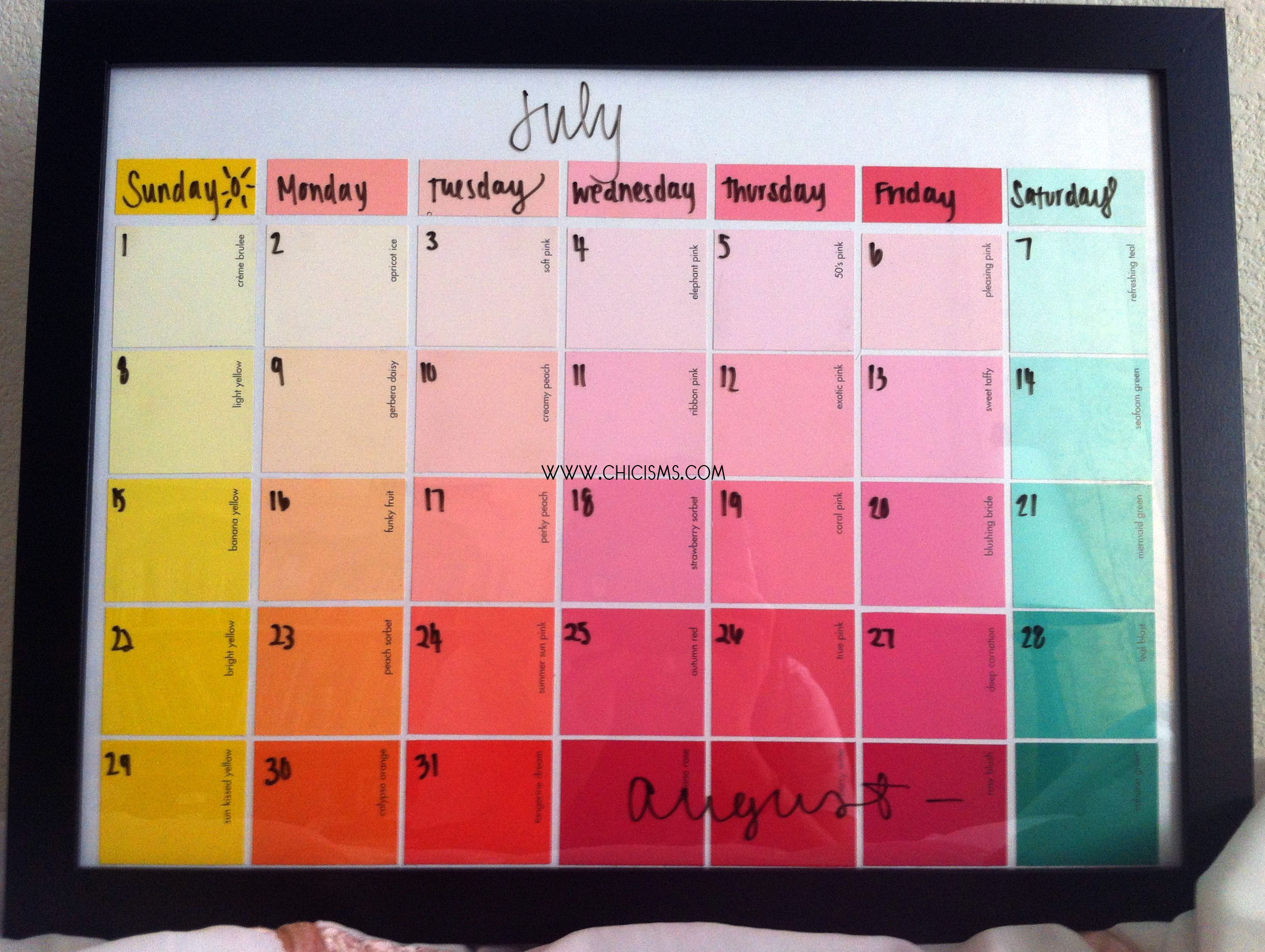
Station #1:  Paint Sample Calendar


For this first station, our building and grounds department donated a bunch of paint samples.  With this, all we did was set out a piece of poster board, scissors, and glue. We had two girls that spent the entire hour camped out here. They were super crafty and decided to use their time finding colors in the paint samples and an arrangement they liked. From there, our participant wanted to put the paint samples in an old frame from the Dollar Tree. She thought she could better recreate a reusable calendar like in the picture above. It made me so proud of my crafty little tween.


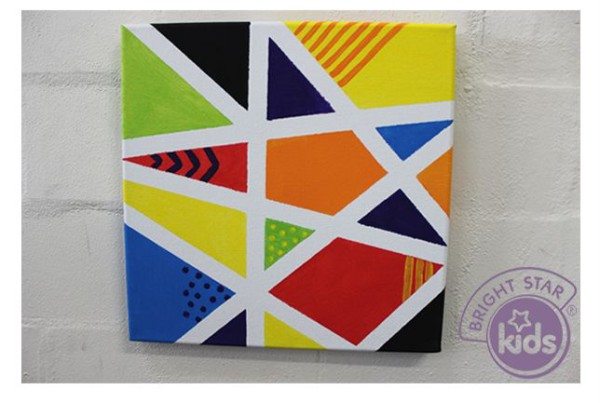
Station #2 : Wall Art

6a00d8358081ff69e201539082b9b2970b-800wi


This was the most popular station.  For this station, we just set out a collection of  mattes, paint, and masking tape.


Using masking tape, we invited participants to make patterns or words. From there, participants used paint to paint over it. They turned out really neat! I wish I had taken pictures. If you do decide to try out this station, however, I would caution the use the paint. It got very messy! Always have a staff member on hand or at this station in particular. 


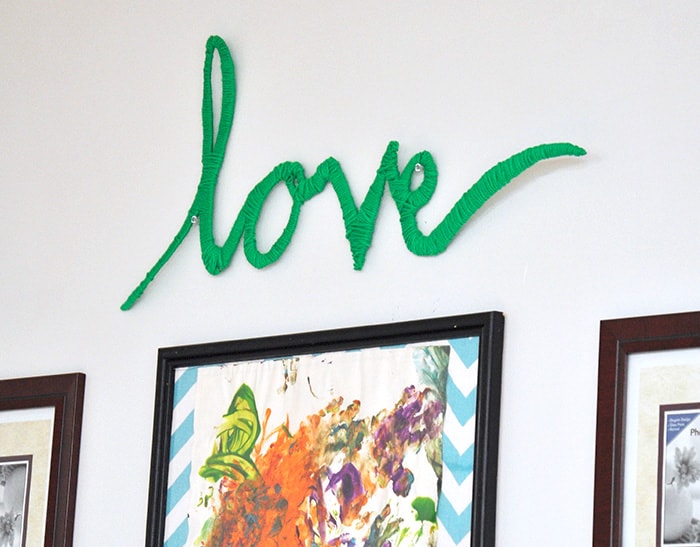
Station #3 : Yarn Art


If you are looking for a fun project to do while sitting on the sofa, this is it. Make easy DIY wall art out of any word using cardboard and yarn!

Using cardboard, participants drew and cut out a word. Once they cut out the word, they covered the cardboard in yarn. This was the most challenging station, and the only one that I would not repeat again. We ran into the issue of not being able to cut out the cardboard easily. Alyssa and I spent the whole program rushing around trying to get these cut out for the tweens. We did not take into account how difficult it would be.  There were a few tweens who really enjoyed this station, but if we repeat it again, I would like to use a different material. 


Station #4: Online Room Decorating


We knew not everyone might not want to actually create something. To help meet this need, we set out a computer and allowed the tweens to create an online room. In addition to adding some variety to our program, it also helped to spark some ideas for room decorating.


Station #5: Get Inspired

Cover art

For our final station, we had decorating books set out. The purpose of this station was to hopefully spark ideas & to show off our collection.


How it Went 

This program went over very well. Our primary audience was tweens girls, but we were not surprised by this. We got a lot of positive feedback from parents whose tween wanted to get rid of their childhood bedroom and needed ideas and outlets for it. They appreciated the cost friendly ideas we provided.

 I personally really enjoyed hearing the feedback from the tweens. They were so excited make decorating pieces for their room.  This was also an easy program program for us and it we just recycled materials that we had in the department. So it was budget friendly as well.

In the future, I would like to repeat this program. I think it would be a great way for us to reuse some of the supplies we have and it would also be another outlet for tweens to explore.


Have you done a program like this before? How did it go?

Until next time,

Pamela


I Survived Program

This post documents one of my original I Survived library programs created several years ago. Since then, I’ve revisited and reimagined this program with streamlined stations, stronger STEM connections, and hands-on engineering challenges designed for today’s students.

👉 Read the full 2025 update here:
I Survived Library Program (2025 Update) – STEM & History Stations for Kids

If you work in Youth Services, you know that the series I Survived is very popular right now. I was inspired by this series. I studied history in college, and wanted to turn it into a library program. I feel like it is a very librarian thing to do to turn a popular book series into a program. I could not resist! For this program, I created about 10 stations for families to walk through and try. I wanted to not only include the historical facts, but I also wanted to do some STEM projects as well. It turned out to be a fantastic tween boy program. I had a lot of stations. Maybe a little bit too many, but I wanted to have a lot for families to do. For each station, I had library books out on the subject and fun facts taped on the table for participants to read. Here are the station I had set up:


Station #1 -  I Survived: The Sinking of the Titanic, 1912


For this station, I had participants make boats out of foil. They tested them out in our kitchen to see how many marbles it would hold. While they worked on their boats, many families read off facts about the Titanic to their children that I had setting out. 


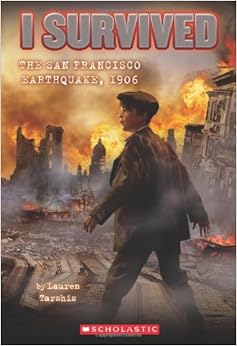
Station #2- I Survived the San Francisco Earthquake, 1906 


This was one of the most successful stations. Participants made buildings out of Legos. Once they were done, we put it on a cookie sheet and shook it to see how it would withstand an earthquake. We did have a lot of Lego men fatalities, but it was a great way for them to learn about structures, and what architects have to think about when they build. I will defiantly use this one next time!


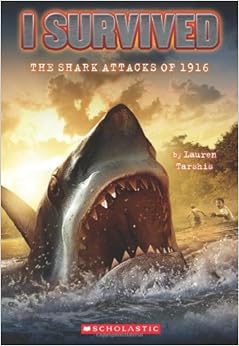
Station #4- I Survived the Shark Attacks of 1916 


For this station, I made a quiz called "Would You Survive a Shark Attack."  I set out books & a computer for the kids to see where tagged sharks are in the world. I pulled up the shark tracker through Ocearch. It is kinda of fun to see where the sharks are at, but the kids really enjoyed the quiz the most at this station. 


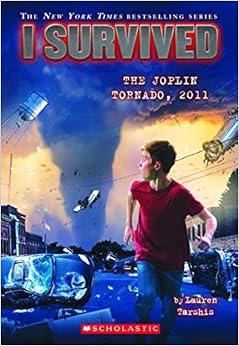
Station #5- I Survived the Joplin Tornado, 2011


My library isn't too far from Joplin. So I wanted to highlight the new release of this book. I didn't do too much for this station. I just set out some tornado safety handouts, and had some books out. If I do this next time, I would like to make a tornado in a bottle to show how tornadoes form. 

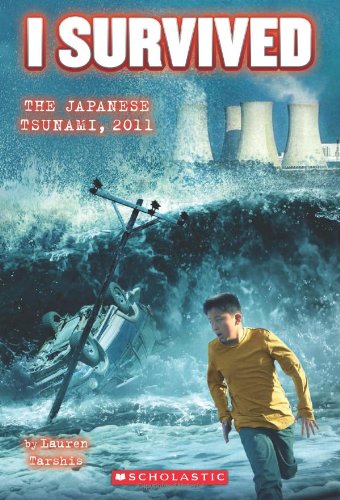
Station #6- I Survived the Japanese Tsunami 


The main activity for this station was for participants to play with an ocean in a bottle. This was supposed to show how waves are formed. This was one of the less successful station. Next time, I might do something different for this. 


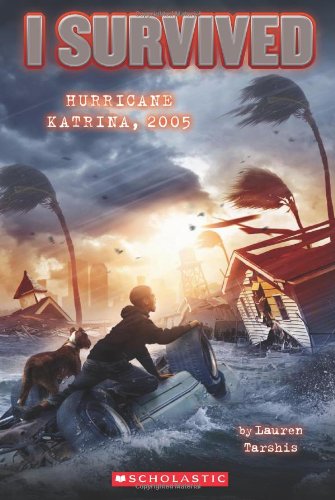
Station #7- I Survived Hurricane Katrina, 2004


For this station, I set out a laptop and invited participants to build a hurricane . I wanted participants to understand how hurricanes are formed. I had one participant who wouldn't leave until he successfully built one. It is a fun game that I suggest you try!


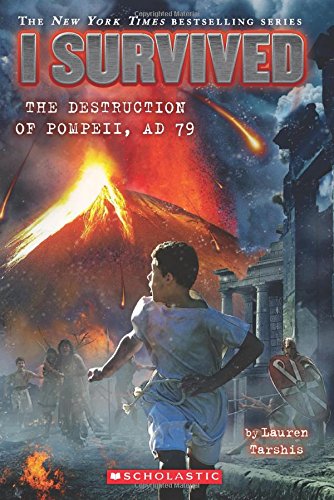
Station #8-  I Survived the Destruction of Pompeii, AD 79


Originally, this station was supposed to be an obstacle course. I set out a red table cloth from the Dollar Tree, and placed brown construction paper down. Participants were to only step on the brown construction paper, but we decided it was too easy & merged it with Station #9!


Station #9 & 10- It's War! 

I based this station off of the I Survived books set in war time.


For this station, we had two main activities. The First one was an obstacle course.


This was my favorite station.  Ms. Alyssa & I try to make it difficult to keep our participants attention.  What you see here is the result!

The second half of this station was to build a fort.


 Creating a fort was one of the required activities for our summer reading program, and I thought it would be the perfect spot for the kids to curl up and read some of the I Survived books & its read a likes.  This station was a hit. I don't know how many times they built and rebuilt it.

How it went 

This was my favorite program I did this summer. We had so many tween boys come & they had a blast. I felt like the stations were perfect for them. Next time, I do think I will reach out to our local home school groups. I think that would make this program even more successful. I also felt like I had too many stations which took too much staff time. So I might cut out a few, but I think this is one that we will repeat in the future.

Looking back and moving forward:

If I were to run this program again today, I would streamline the number of stations and focus more intentionally on engineering design, testing, and redesign — which is exactly what I did in the updated 2025 version of this program.

👉 You can explore the full 2025 I Survived STEM & History update here


For more information about this program, please see my post in Programming Librarian 

Until next time,

Pamela